The Evolution of Authentic Casino Experiences in the Digital Age
The landscape of online gambling has undergone a seismic shift, transitioning from rudimentary RNG-based software to sophisticated, immersive environments that mirror the hallowed halls of Monte Carlo or Macau. At the pinnacle of this evolution lies the Best Live Baccarat Experience – Real Dealer Tables, a paradigm shift that eradicates the disconnect between physical and virtual play. 🎰 Industry analysts note that player retention rates for live dealer verticals have surged by over 40% year-over-year, a testament to the demand for tangible authenticity. This is not merely about placing a wager; it is about the visceral thrill of watching a human croupier, trained in the arts of Las Vegas and Singapore, manipulate a physical deck of cards in real-time. The latency issues that once plagued early iterations have been obliterated by fiber-optic streaming and edge computing, delivering sub-second interactions that feel indistinguishable from sitting at a VIP table in a land-based establishment.
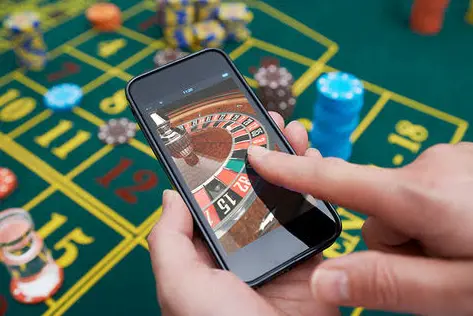
Technical Infrastructure Behind Real Dealer Tables
From a technical standpoint, the Best Live Baccarat Experience – Real Dealer Tables is underpinned by a multi-camera setup, often utilizing 4K resolution with dynamic angle switching triggered by game events. The optical character recognition (OCR) systems track card values with 99.99% accuracy, cross-referenced by pit boss oversight in a secure control room. 🃏 Certified Random Number Generators (RNG) are still employed for shoe shuffling in some hybrid models, but the true purist experience demands the manual squeeze—the "squeeze" being the tactile reveal of the card's edge, a ritual that seasoned high rollers revere. Latency below 150 milliseconds is the gold standard, achieved through dedicated content delivery networks (CDNs) and localized data centers. The integration of AI-driven biometrics now allows for seamless Know Your Customer (KYC) verification, reducing friction while maintaining stringent anti-money laundering (AML) protocols. This technological arms race ensures that the digital shoe is as unpredictable and fair as its brick-and-mortar counterpart, satisfying even the most skeptical regulated market auditors.
Psychological Engagement and Immersive Interface Design
The psychological allure of the Best Live Baccarat Experience – Real Dealer Tables cannot be overstated. Unlike solitary slot spins, the live format fosters a parasocial relationship with the dealer, who acknowledges players by name via chat interfaces. The user interface (UI) is meticulously designed to minimize cognitive load, with roadmaps, bead plates, and big road displays rendered in HTML5 for instant responsiveness. 🎲 The social dimension—emojis, side bets, and collective gasps when a Dragon 7 hits—recreates the herd mentality of a packed baccarat pit. Operators leveraging gamification elements such as loyalty points tied to specific dealers report a 3x increase in average session duration. Furthermore, the transparency of the physical shoe eliminates the "black box" suspicion associated with pure software, building a fiduciary trust that is essential for high-stakes wagering. The sensory overload is intentional: the shuffle, the call, the flip—each micro-interaction is engineered to trigger dopamine release, reinforcing the habit loop.

Regulatory Compliance and Fair Play Verification
Jurisdictional oversight is the bedrock upon which the Best Live Baccarat Experience – Real Dealer Tables operates. Licensing bodies such as the Malta Gaming Authority (MGA) and the UK Gambling Commission (UKGC) mandate rigorous auditing of stream integrity. Independent testing agencies like eCOGRA and GLI conduct unannounced stress tests to ensure card randomness and payout accuracy. The shift towards provably fair algorithms, where the shoe's entropy is hashed and verifiable on a blockchain in some avant-garde setups, adds an immutable layer of trust. For the discerning bettor, the presence of a live dealer signifies a commitment to responsible gambling, as human dealers are trained to detect problem gambling behaviors and trigger interventions. The evolution continues with virtual reality (VR) integration on the horizon, promising a truly holodeck-like experience where players can walk the floor.